

Running out of Rabbits: The End of Buffalo News Press
“We knew it was always trying to pull a rabbit out of a hat and find some way to keep going [and] we always seemed to find a way, but we… were running out of… rabbits.” - Tom Majerski, BNP President.
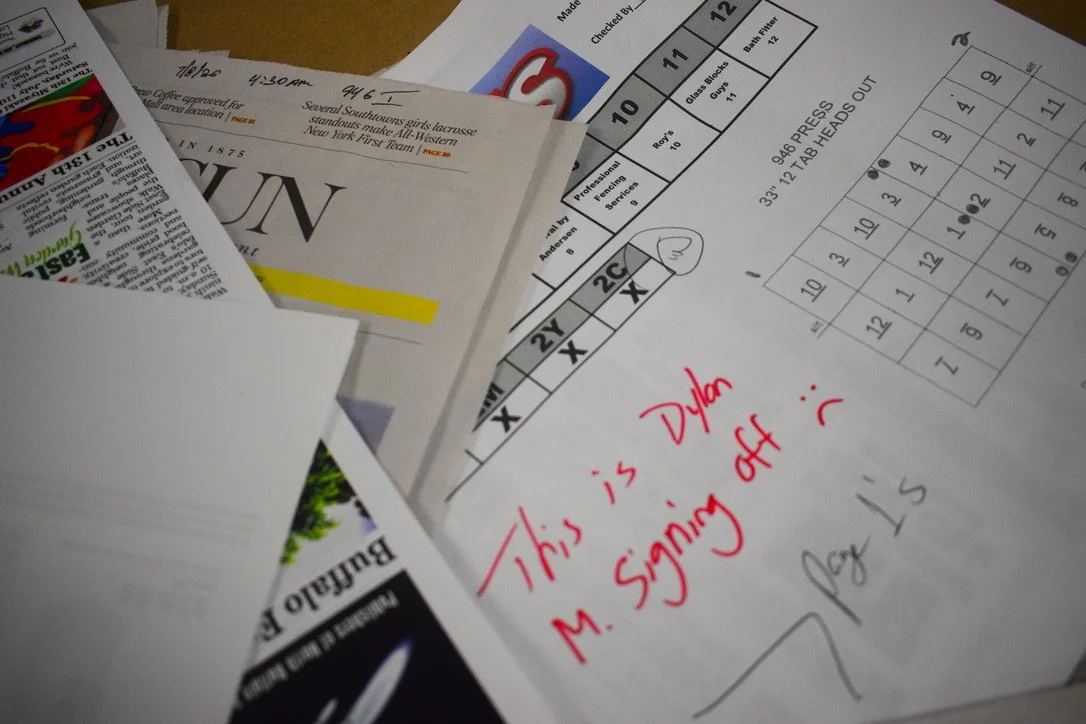
Notes from workers from their last day of work. Credit: Kelso Dux
Here at M.U.V., we value print as a cornerstone for building an accessible community. This summer we had the honor of printing our first edition through Buffalo News Press Empowered Print (BNP). However, only a month after we produced our edition, BNP unexpectedly shut down its printers and closed its doors. We sat down with Tom Majerski, BNP’s President, to understand why.
For 45 years, BNP quietly supplied its printed products to the East Coast, Canada, and, at times, the nation. Printing millions of copies a week for fashion magazines, commercial retailers, local newspapers, and most recently M.U.V., this company captured the height of the printing industry's golden age.
However, in its almost five decades of operation, BNP has also seen the industry decline. A 2025 report showed that around 40% of all local newspapers in the United States have shut down. This has severely impacted “access to reliable local news” and decreased available jobs in the industry (Northwestern Local News Initiative, 2025). At its height, BNP was easily a 40 million dollar company, yet it was a mere estimate of 12 million by its end - going from printing 7 days a week to only 5 days a week. With the national decline in print, BNP spent the last decade focusing on survival.
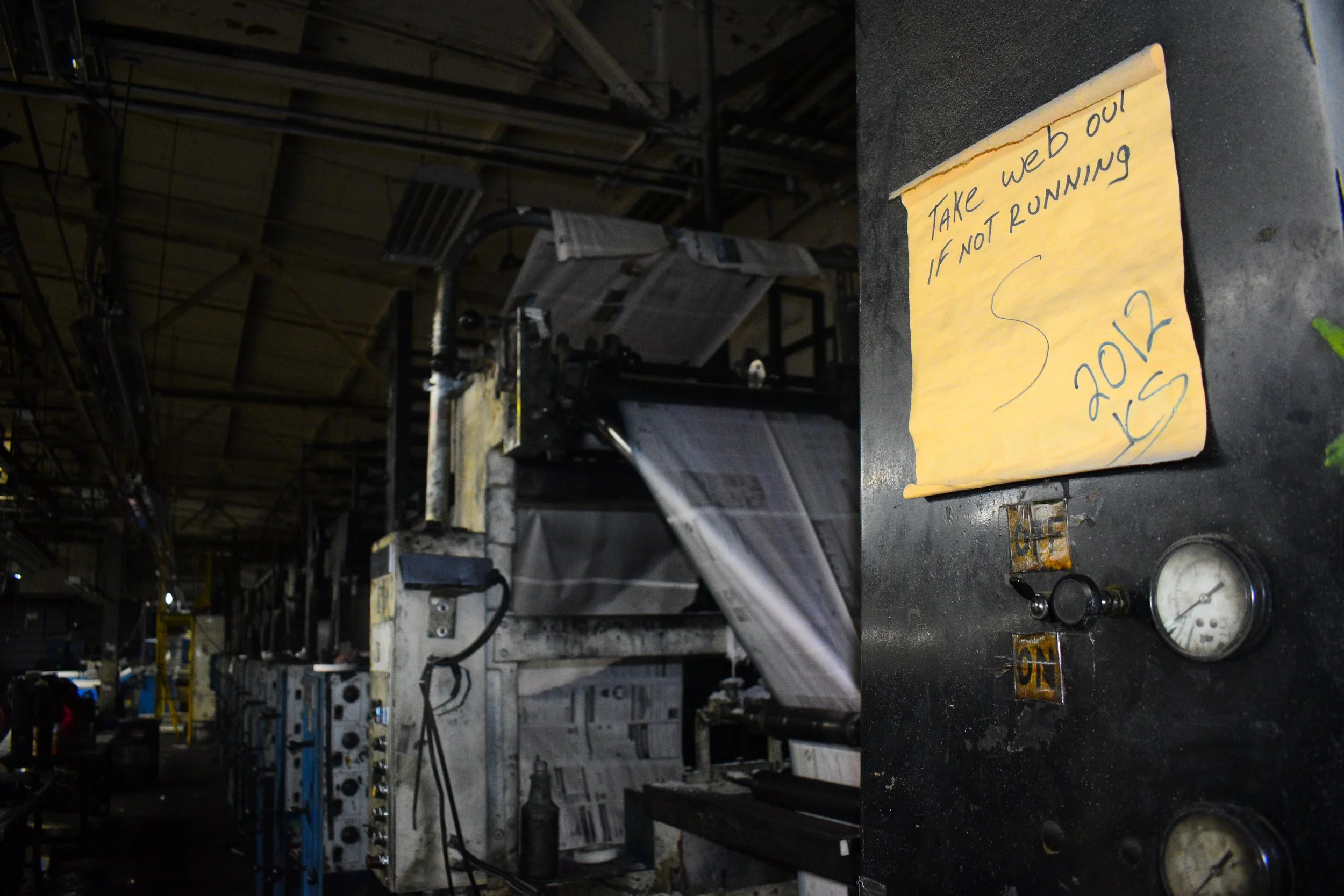
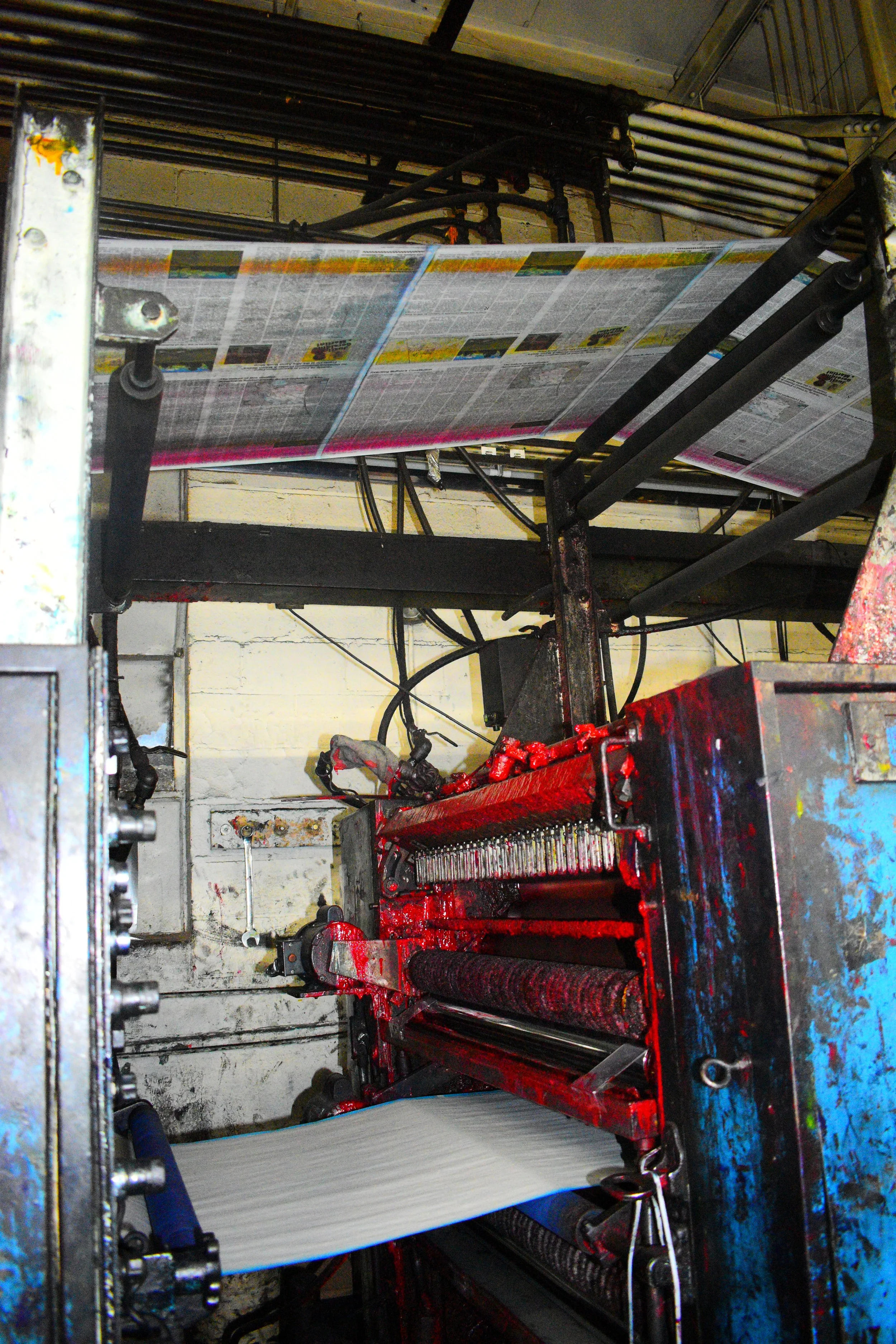
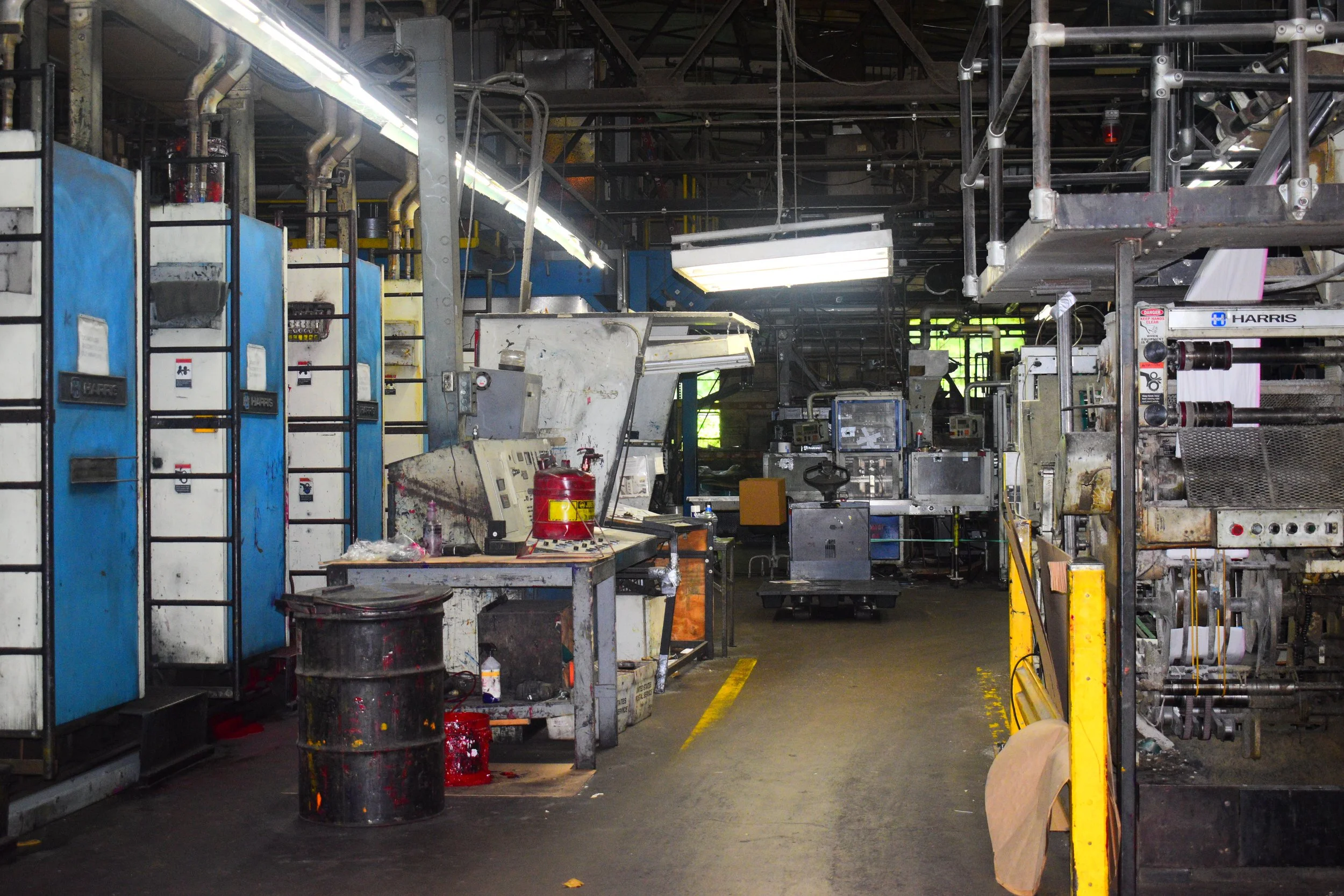
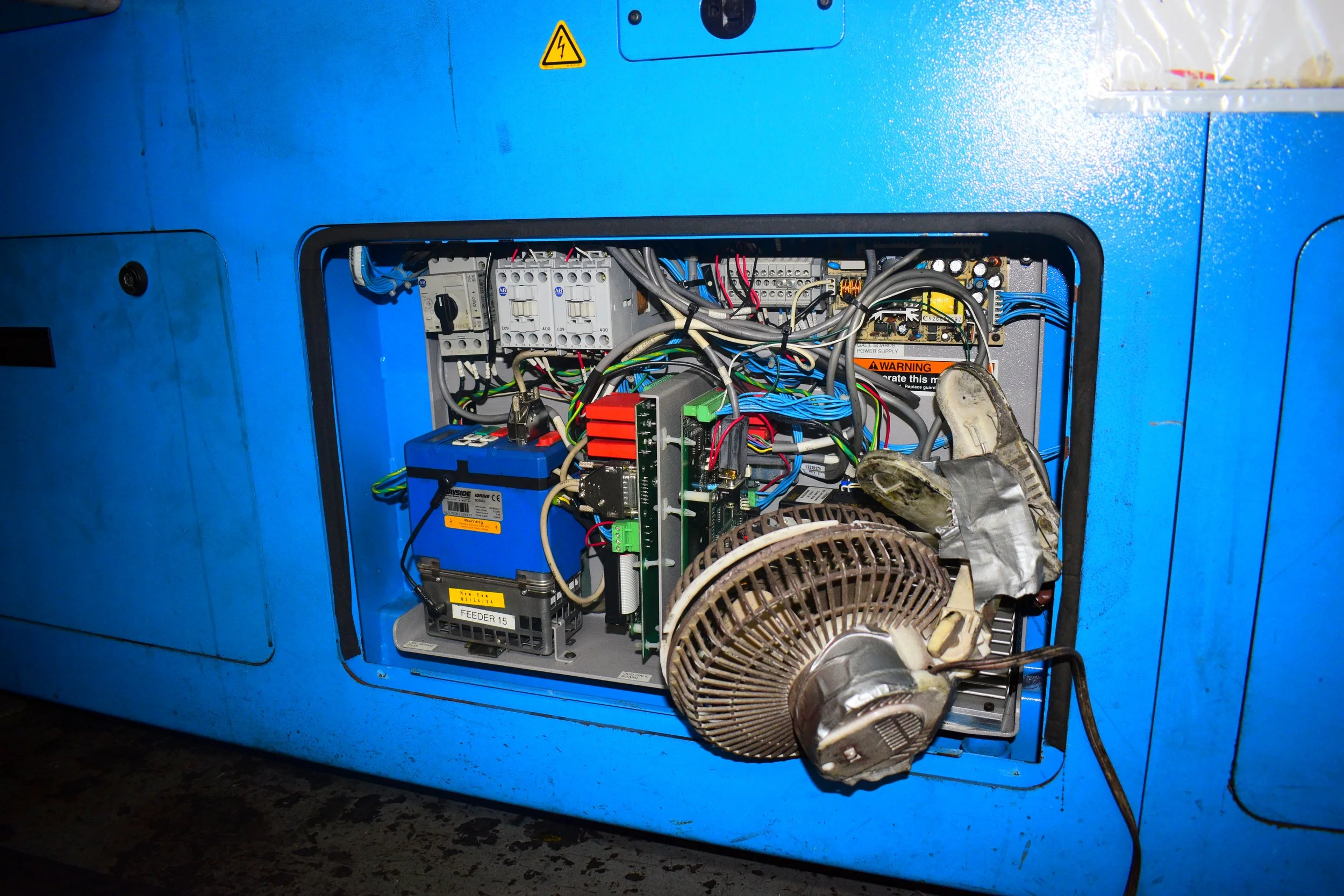
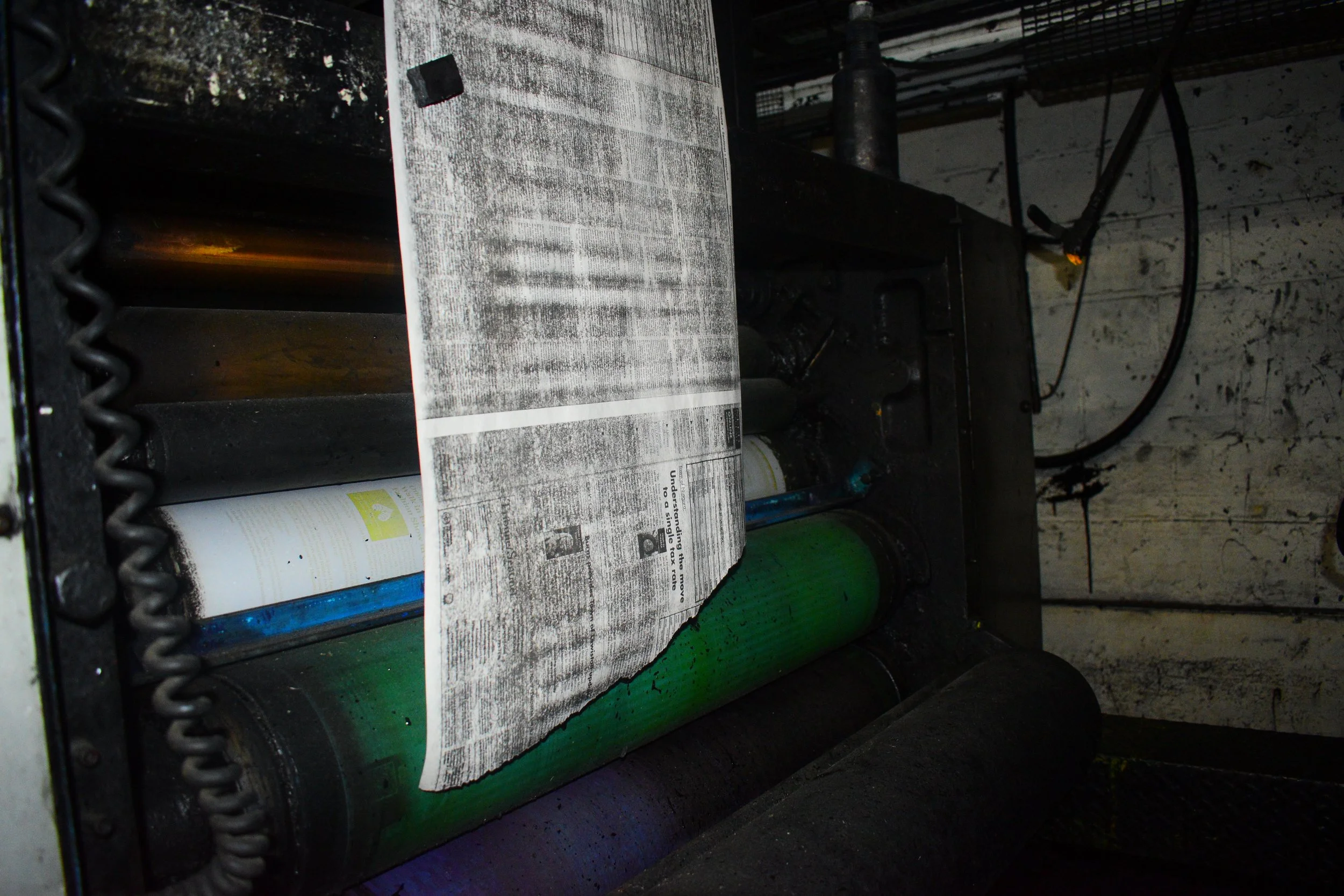
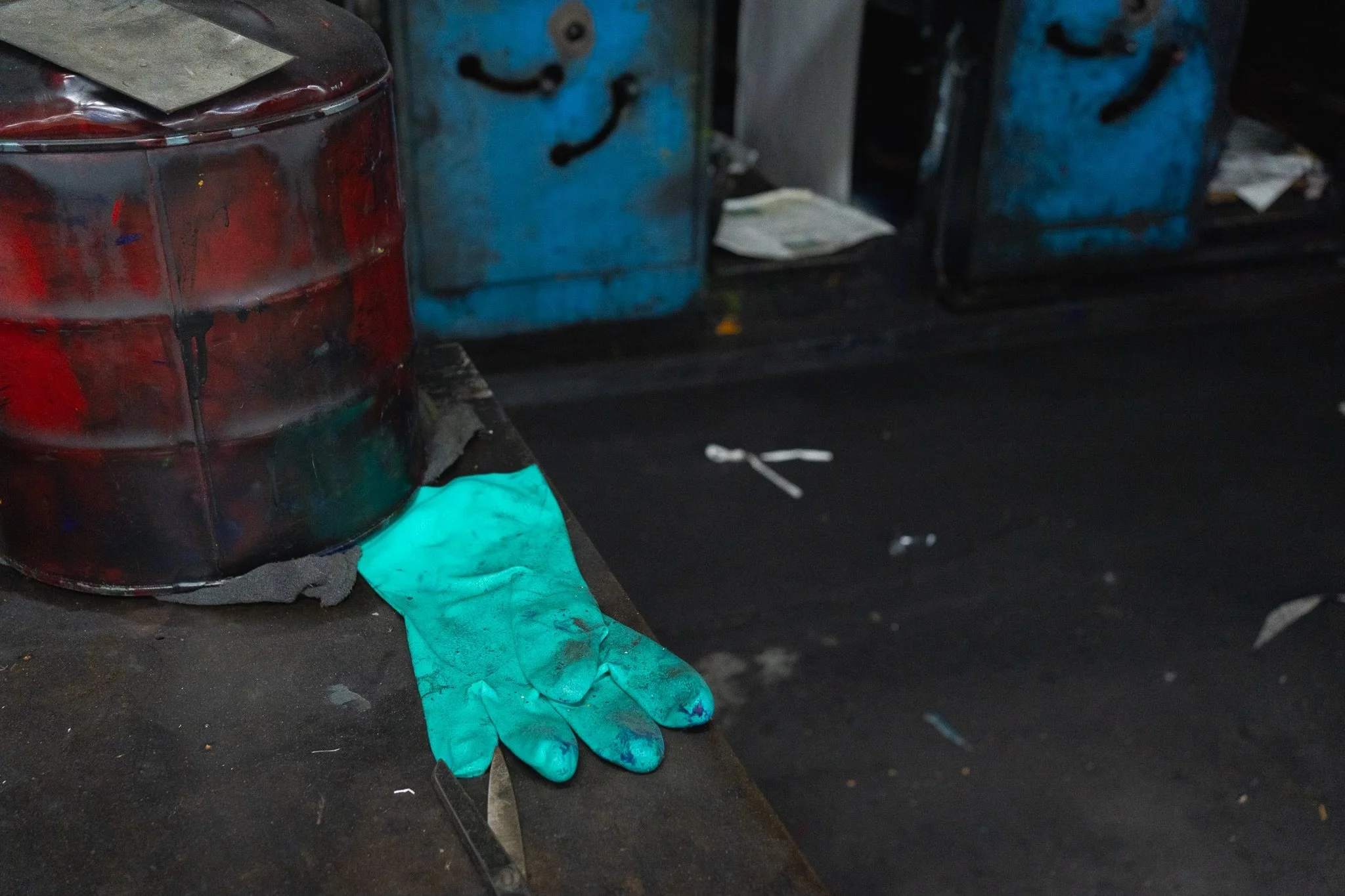
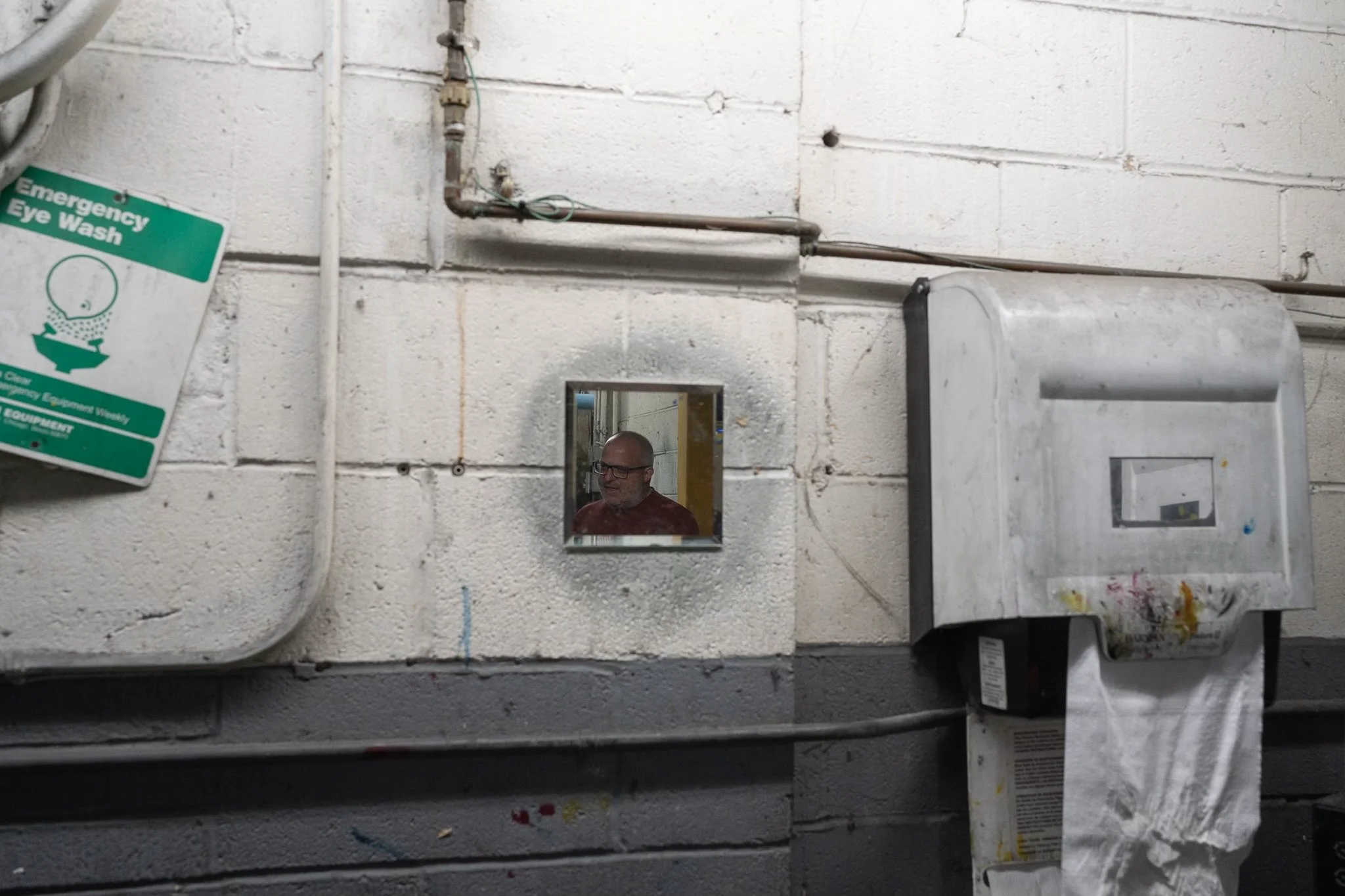
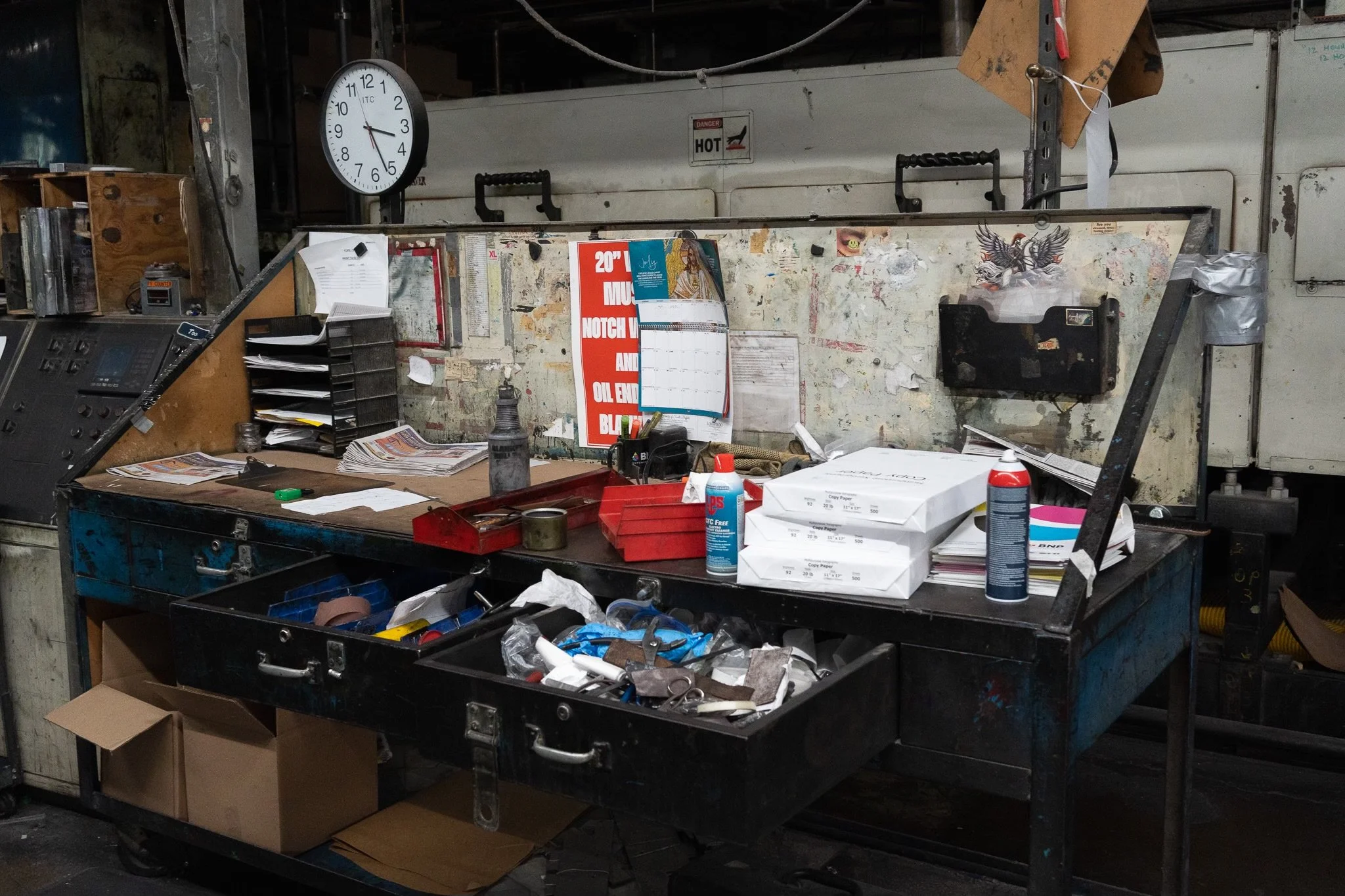
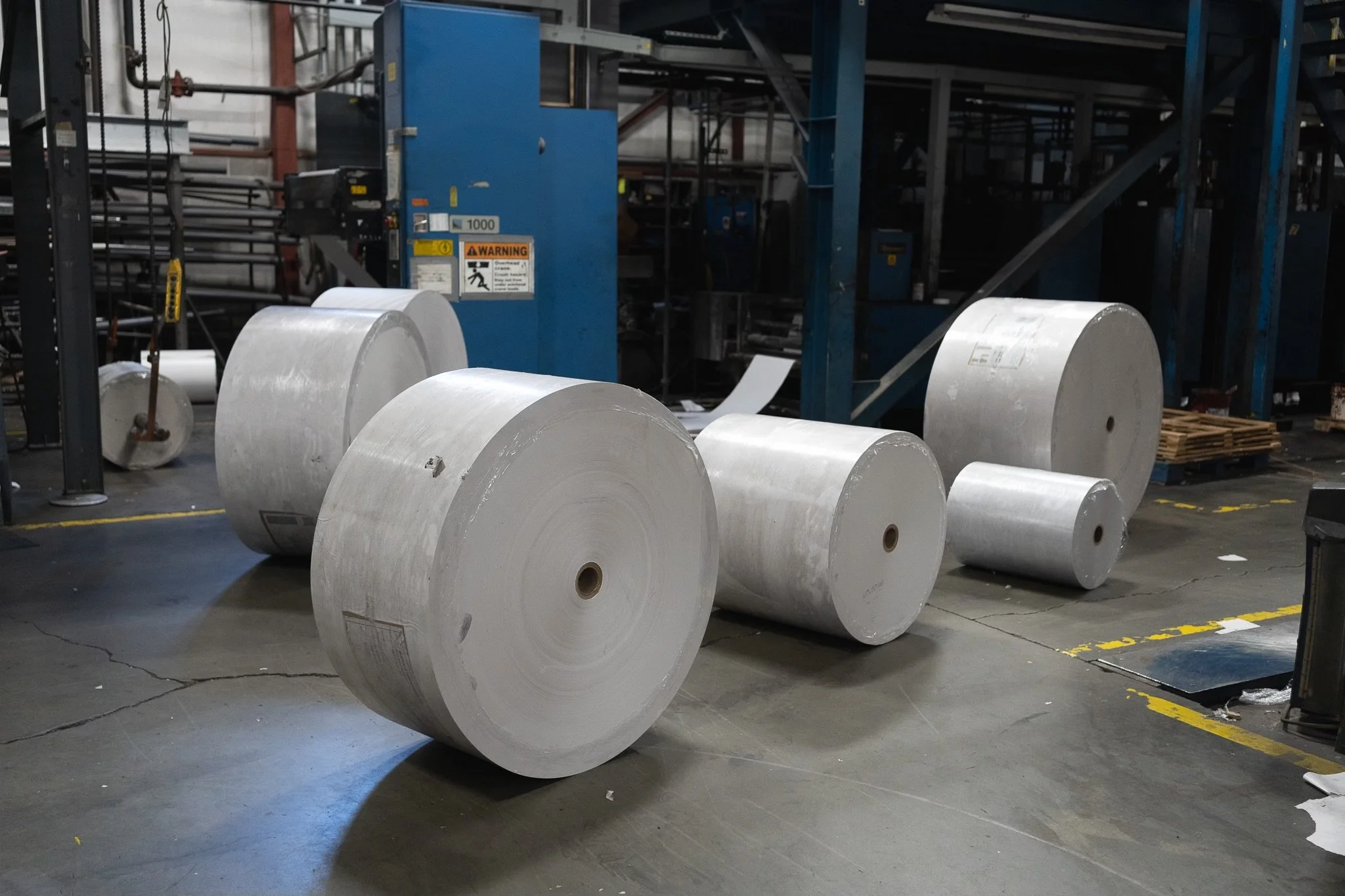
Photos above - Credit: Kelso Dux / Photos Below - Credit: Nicholas Christakis
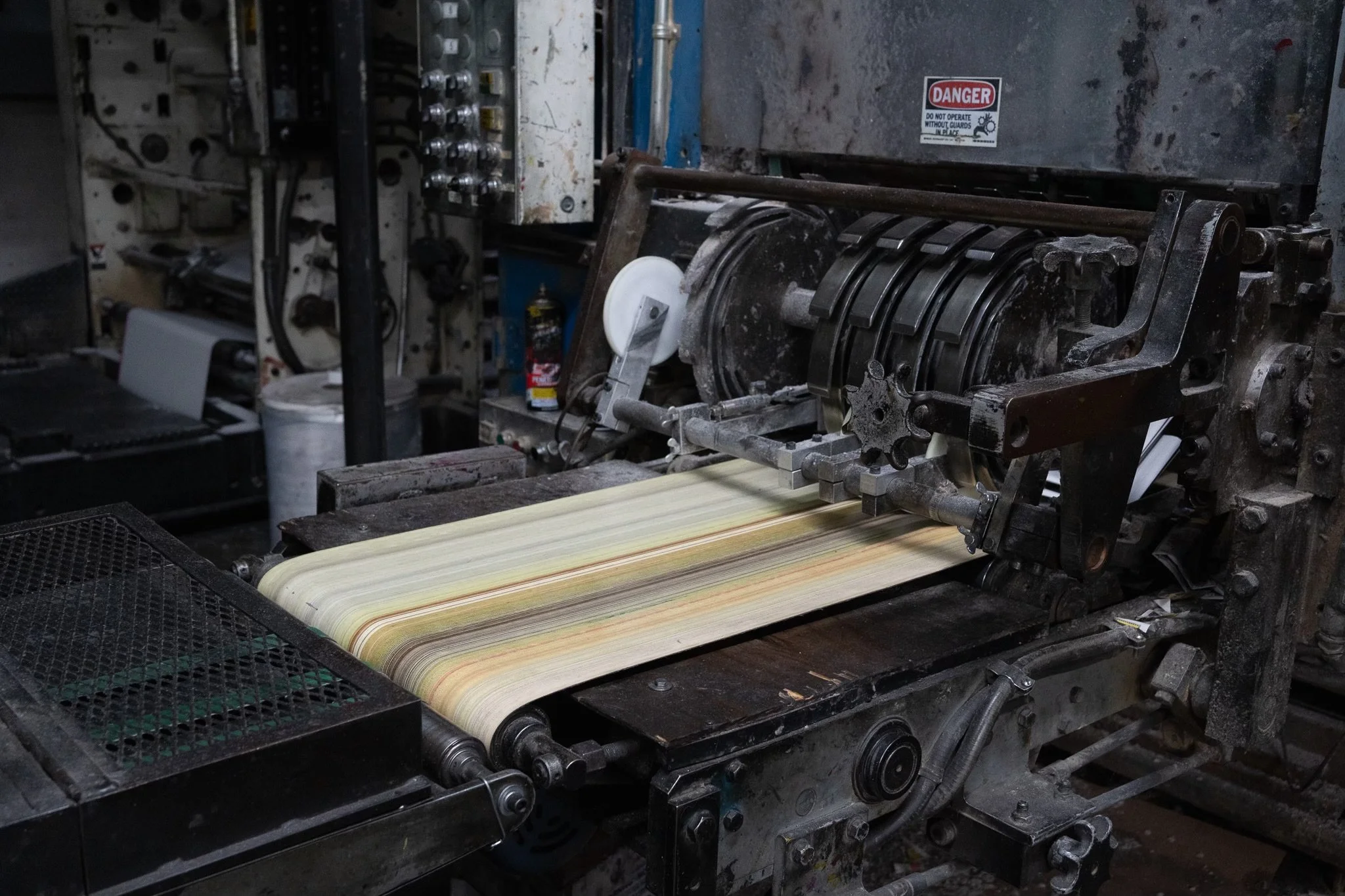
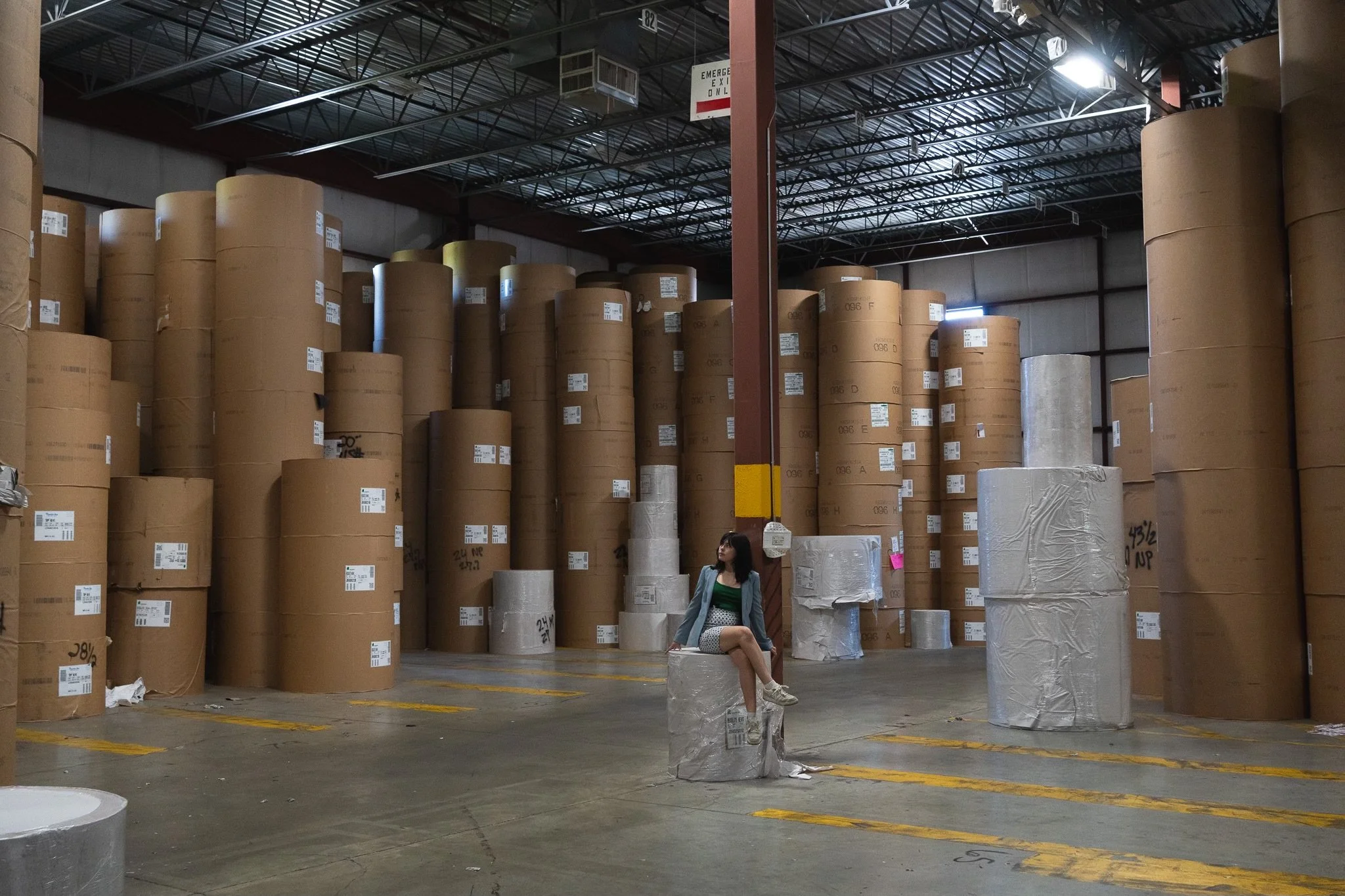
Those leading this effort of survival experienced this rise and fall first hand, including that of its last President, Tom Majerski. Majerski attended Mckinley high school with a concentration in print, “I went for printing, never thinking it was going to be a career.” However, shortly after graduating, Tom Majerski was recommended for a job and hired by BNP’s first President, Mike Kibler. Sitting at the same desk he was hired at 30 years ago, Majerski reflected on his journey at BNP, “[Mike Kibler] was a mentor to me. He hired me and I worked in pre-press for my first 10 years.” Moving him from Prepress to Customer Service, Kibler wanted Majerski to take on more responsibility and had BNP fund Majerski’s college degree in Business Administration.
Within the years he dedicated to BNP, Majerski got to witness how print shifted from predominantly manual to then digital processes, “at the time, it was light tables and dark rooms and it was all film… it was a very different thing 30 years ago.” For example in order to build colors for the print images, technicians would have to do a process known as ‘stripping’ that utilized an exacto knife, a steady hand, and one’s patience, “you would actually have to take the film and tape it to a clear material [then] you'd have to manually… line up register marks, and literally just try to get it perfect… so that the color was in the right spot. It became more of an art.” The company continued to innovate with combinations of manual and electronic processes while still relying on the expertise and craftsmanship of its workers.
One of the first turns of trouble for BNP was marked by the passing of its President and lead visionary, Mike Kibler in 2015. Alongside this devastating loss, the company had to swallow the loss of over 2 million dollars after one of their accounts failed to pay them. On top of this, the awards that recognized the value and work of BNP each year quietly discontinued their award category around 2020. This limited publishers like BNP from showcasing their work and credibility to future clients.
The next two chapters that hit were that of COVID and Trump’s second presidency - which truly laid the ground for BNP’s shutdown. Like many other businesses, the transition after COVID was an uphill battle. The main struggles: paper and people, “It was after COVID that really started the decline of the company. Everyone wanted to print again, but the mills for paper just can't start up that quickly. So, we were on strict allocation for paper and we couldn't get any more paper than we had projected.” Moreover, BNP struggled after the COVID pandemic to staff their production which impacted their ability to bring in new accounts, “It was very painful, because we had opportunities to get so much work, but we were basically turning things down.” For example, when a printing company in the northeast shut down, BNP was unable to pick up their volume.
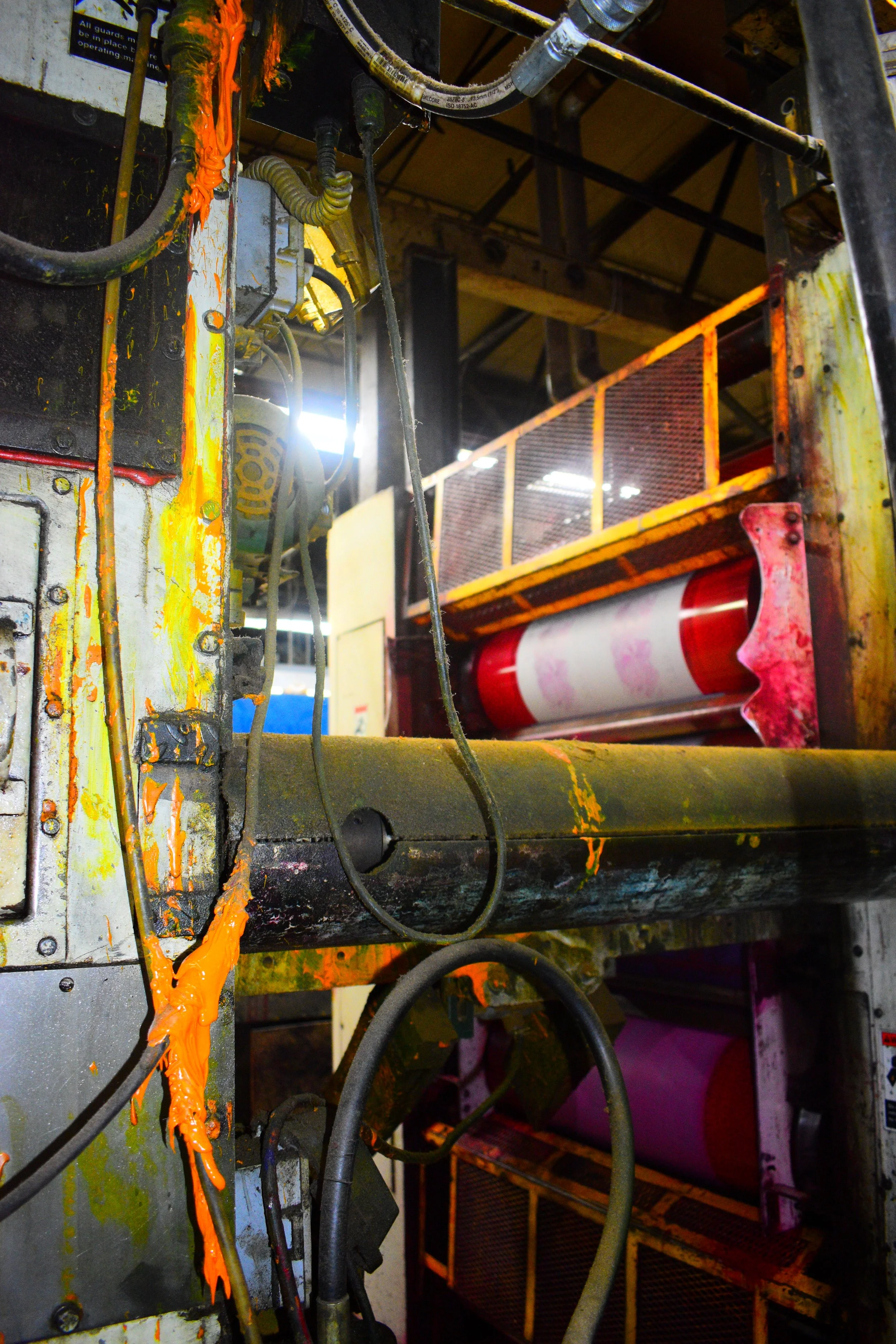
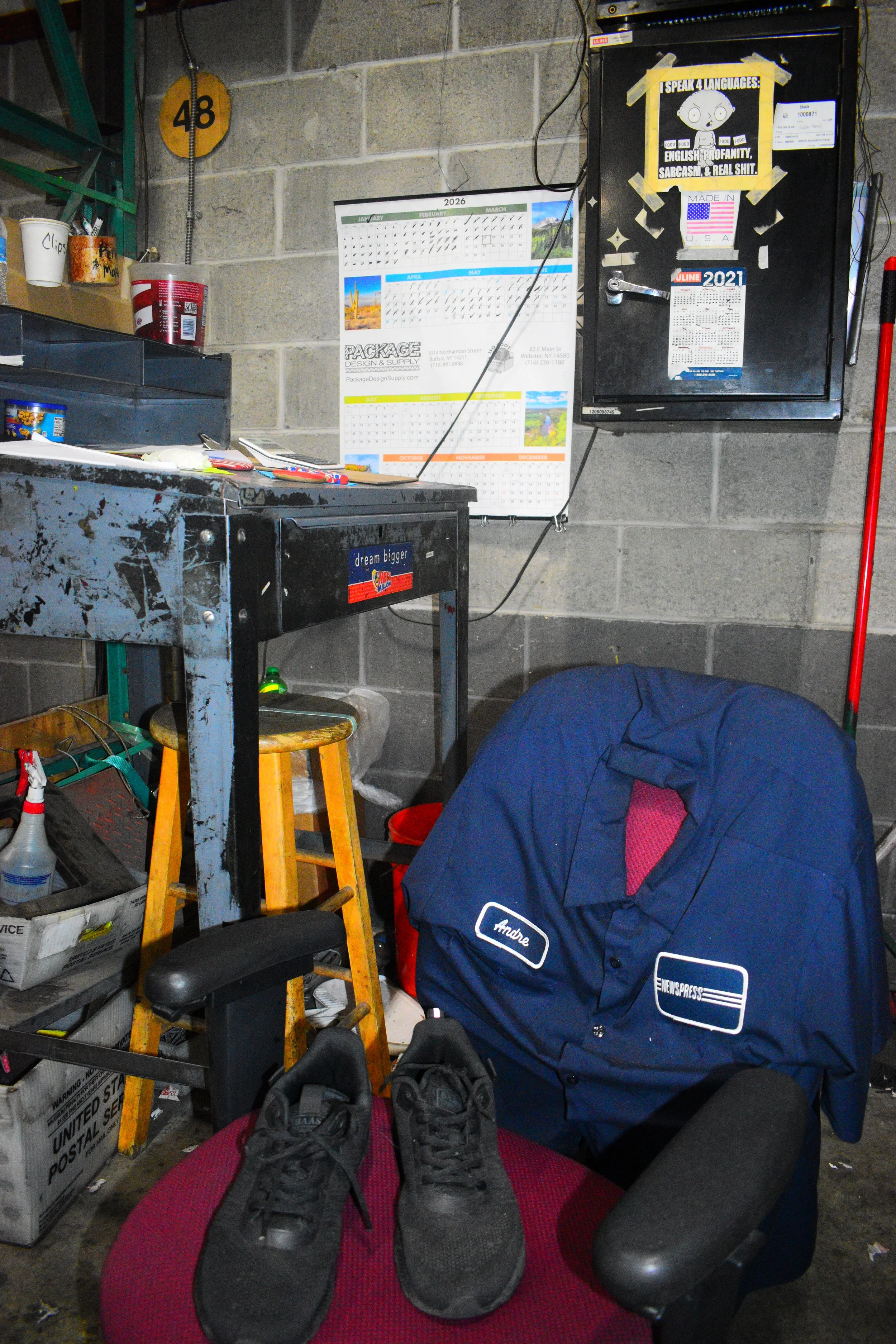
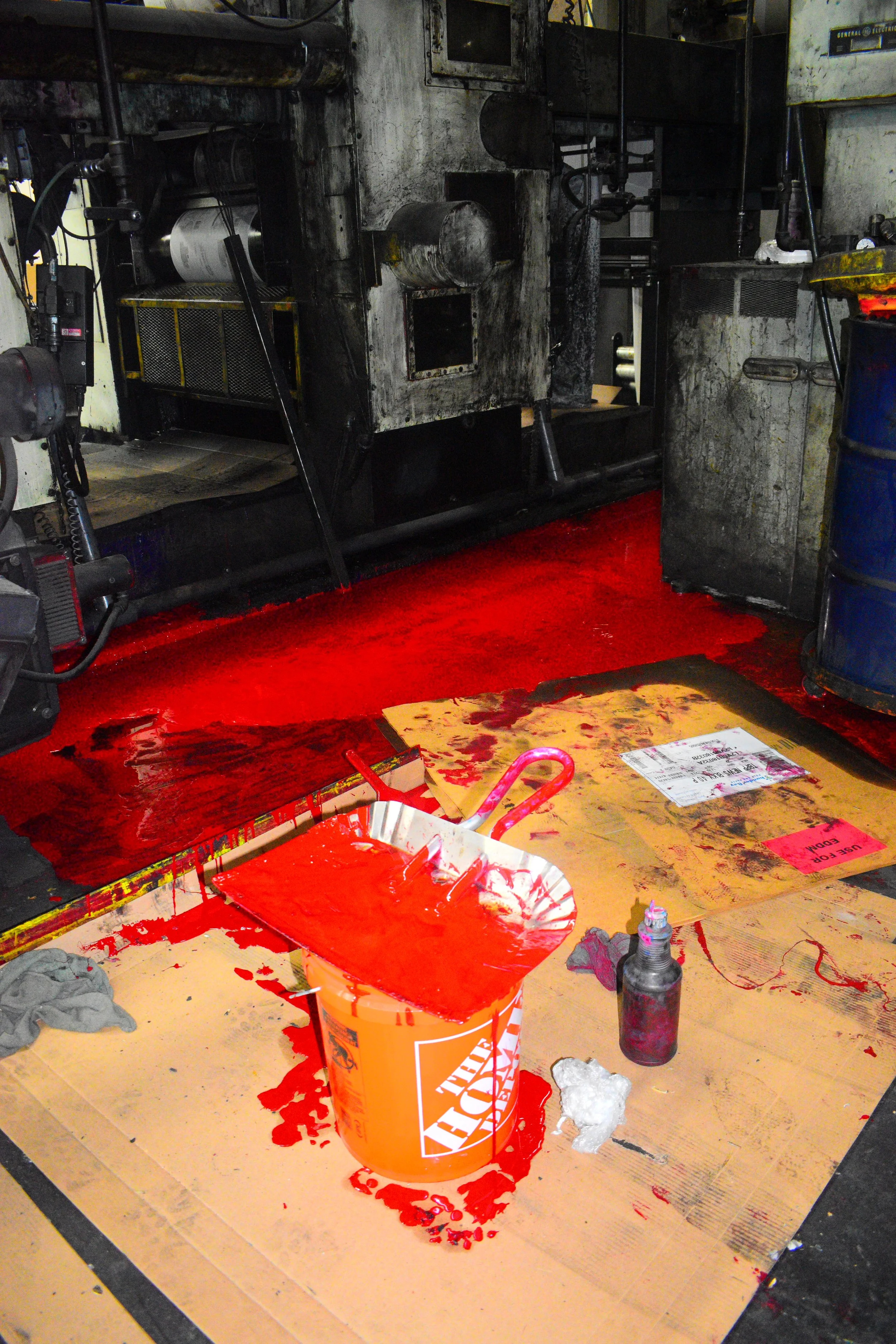
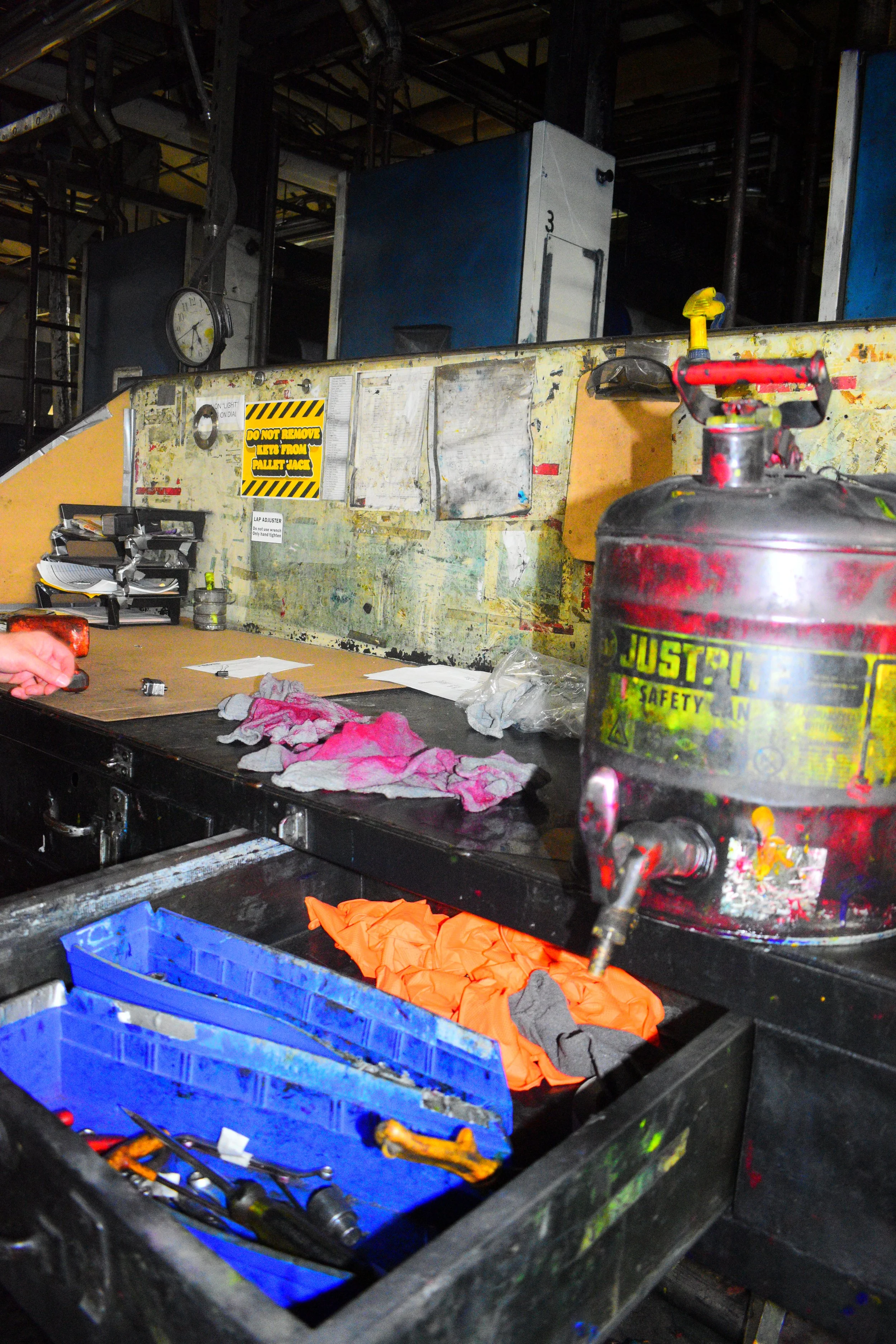
Spilled Ink and Employee’s belongings linger beside the abandoned printers after BNP shuts down. Credit: Kelso Dux
Then in February of 2025, BNP filed for Chapter 11 Protection, which permits reorganization for a company under bankruptcy (United States Courts). “At the time we felt good about it. It was a fresh start and we looked at the projections for our sales and things were looking good at the time. For example, we were printing 32 million copies a month for Subway.” Almost immediately after filing for Chapter 11, Subway severely cut back on its printing and BNP lost another account in Ohio.
Then Trump’s Tariffs hit. “Trump came into office and all of a sudden, aluminum, where we make our plates [to print], was getting hit.” Trump’s relationship with Canada severely impacted the printing industry with retaliatory tariffs from Canada. “At one point 30% of our business was Canadian… but… anytime we would ship something to Canada, we were hit with a 25% tariff… and absorbing that 25%... was another big blow.” Furthermore, the industry was still reeling from the effects of the Canada Post Strike in 2024, which led many Canadian retailers to minimize its reliance on print marketing (Canadian Broadcasting Corporation, 2024)
Up to the wire, President Tom Majerski and CFO Carl Rosati searched for solutions to keep BNP running; inquiring about outside acquisition, pitching new accounts, and brainstorming last-chance alternatives. However, they began to reckon with BNP’s end after being informed that they were the newest victims of a cyber attack by an international cyber company called Anubis.
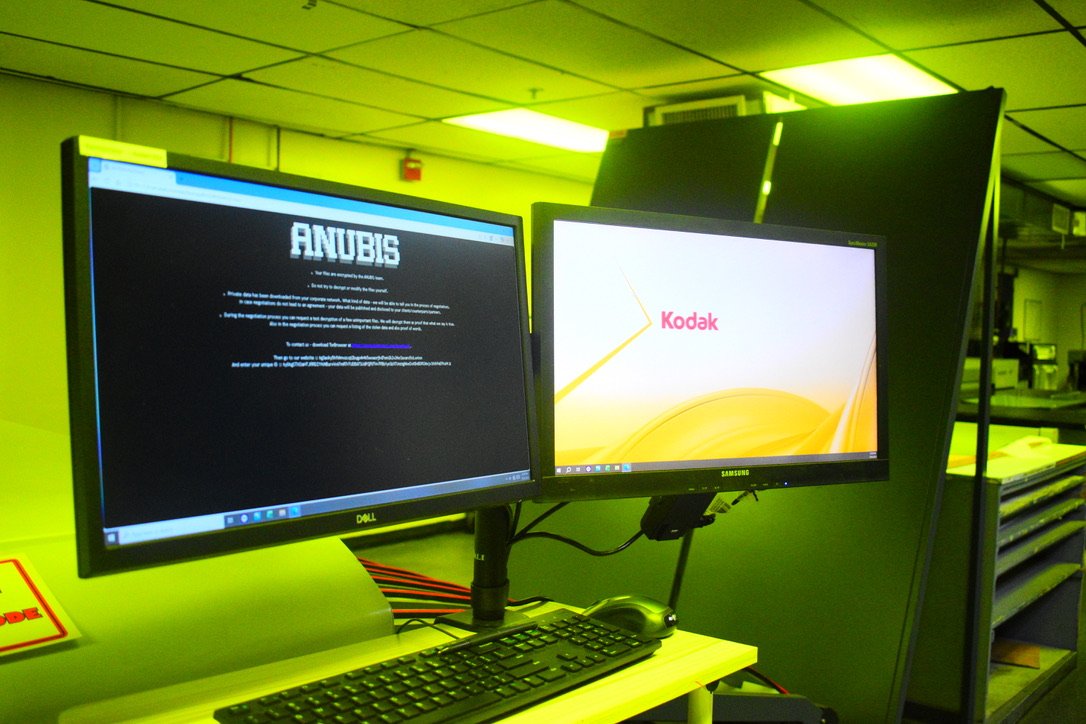
All of BNP’s monitors are locked with the ANUBIS Screensaver that informs them of their ransom.
The cyber attack rendered their programs useless in printing, with the ransom demand of $300,000, yet, BNP still had two jobs left. “We stayed for 14 hours that night… working with everybody to get one computer functioning … We're gonna print their last issue for them… and we're gonna finish on a high note.” This was important to Majerski, “At the end of the day, you know, building those relationships matter, because, Tops [Friendly Markets] towards the end, they wanted us to survive, and [after] they put a job fair together, that's happening for our employees.”
Two days later, Majerski gathered his night and morning crew to inform them that BNP was shutting down. “It was the hardest thing I ever had to do there… I grew up here with these people.” The end was abrupt, but Majerski stands that “you never want to wave the white flag too soon.”
On July 8th, 2026, BNP ran its last run and a place that used to hum all day and night came to its gradual yet seemingly sudden stop. One month later and the space is frozen on that last day. Now strikingly desolate, it is still so clear that this operation was grand, vibrant, and full of life and history.
Ultimately, BNP's journey reveals the wider struggle of human-made, physical media not receiving proper investment in an ever-growing digital and AI-centered society. However, Tom argues that, “AI has the potential to kill digital advertising, because how often do you actually go to a website anymore?” He also pointed to the growing trend in younger generations to pursue and appreciate physical media over digital, “[young people] are so not used to getting [physical media] that it becomes like a luxury. You get something in the mail and it has your name on it, you think, ‘this is unique’.” Moreover, he argues that the current value of print is overlooked. “The sad thing about printing is that it is extremely effective. It's got the biggest return on investment of any type of advertising, hands down. The numbers will prove that everywhere and digital pales in comparison to that.”
What felt like an immovable landmark of Buffalo ultimately met the expected fate of a Rust Belt city. However, one could argue that this fate was not inevitable. If we as a community lean into our local publications and the people who produce them, we can reignite the perceived value in it. Buffalo News Press Empowered Print, as a company, was let down at many turns, but as a service, was never unnecessary. There is value in print as well as its history. Now more than ever we need to invest in the avenues that truly uplift our stories and feed our local economy.
Sources:
Canadian Broadcasting Corporation. (2024, November 28). Canada Post strike could disrupt Black Friday shopping. https://www.cbc.ca/news/politics/canada-post-strike-black-friday-shopping-1.7396346
Northwestern University Local News Initiative. (2025). State of local news 2025. https://localnewsinitiative.northwestern.edu/projects/state-of-local-news/2025/report/
United States Courts. (n.d.). Chapter 11-Bankruptcy basics. https://www.uscourts.gov/court-programs/bankruptcy/bankruptcy-basics/chapter-11-bankruptcy-basics